Reasons Why Performance Management Fails
Performance Management process is a common phrase that is
Performance Management is a common phrase that is used by many businesses to evaluate their employees based on their performance. It is the most important aspect of the business but also the most bureaucratic process and time-consuming which is forced HR and managers to carry out the performance management process.
However, despite its importance, performance management systems often fail to achieve their intended outcomes.
The biggest reason is that everybody is managing the wrong thing. They’re focusing on individual performance when they should be focusing on team performance.
Sit down and think about it, at many companies, employees and departments usually have their metrics, and no one expects them to care much about the rest of the organization.
Individuals are driven by their motives and goal. Collaboration between departments vanishes. Knowing they will be going against their co-workers; employees feel relucent to share any information or knowledge.
This performance management usually tends to fail because of the biasness and employees who failed contribute or hit the performance mark end up leaving because they don’t like the performance-driven culture.
In this blog, we shall go through why performance management fails.
Despite the importance of Performance Management, many organizations struggle to effectively implement a Performance Management system. There are several reasons why Performance Management can fail, including:
1. Lack of clear goals and objectives:
One of the key components of a successful performance management system is setting clear, measurable goals for employees. Without well-defined goals, it can be difficult for employees to know what is expected of them and how they should prioritize their time and efforts. This can lead to confusion and a lack of motivation, resulting in poor performance.
2. Infrequent feedback:
Performance management should not be a once-a-year event. Employees need regular feedback to understand how they are performing and what they need to do to improve. This can include both positive feedback to reinforce good performance, as well as constructive feedback to help employees identify areas for improvement. However, if feedback is not provided regularly or is not given in a supportive and constructive manner, it can be demoralizing for employees and may even lead to a decrease in performance.
Do you know why the Annual Performance reviews never work? Follow this link to see why.
3. Insufficient support and resources
In addition to setting goals and providing feedback, it is also important for organizations to provide employees with the necessary resources and support to be successful in their roles. This can include training and development opportunities, access to necessary tools and equipment, and a positive work environment. If employees do not have the support they need, it can be difficult for them to perform at their best.
4. Insufficient training and development:
Employee performance can be improved through training and development programs. If these programs are not in place or are insufficient, it becomes difficult for employees to improve their skills and performance.
5. Infrequent or unfair appraisals:
Employee appraisals are an important part of performance management, as they provide an opportunity for employees to receive feedback on their performance and set goals for the future. However, if appraisals are infrequent or unfair, they can create resentment and frustration among employees. This can lead to a lack of motivation and engagement, which can ultimately result in poor performance.
6. Lack of transparency:
If performance management processes are not transparent, it can lead to confusion and mistrust among employees. It is essential to communicate the process and criteria clearly to ensure transparency.
7. Dependence on performance management software:
While performance management software can be useful in tracking and measuring employee performance, it should not be the sole source of evaluation. It is essential to consider other factors, such as team dynamics and personal development, in the performance evaluation process.
8. Inflexibility:
Performance management should be flexible enough to accommodate the changing needs of the organization and the employees. If it is too rigid, it may not be able to address the changing needs of the organization and employees, leading to a decline in performance.
One such method that organizations are using to improve performance management is OKR (Objectives and Key Results).
OKR is a powerful goal-setting framework that helps organizations in aligning their goals with their employees’ objectives. It consists of two components: Objectives and Key Results. Objectives are broad, qualitative statements that outline the overall direction an organization wants to take. Key Results are specific, quantitative measures that track the progress toward the objectives.
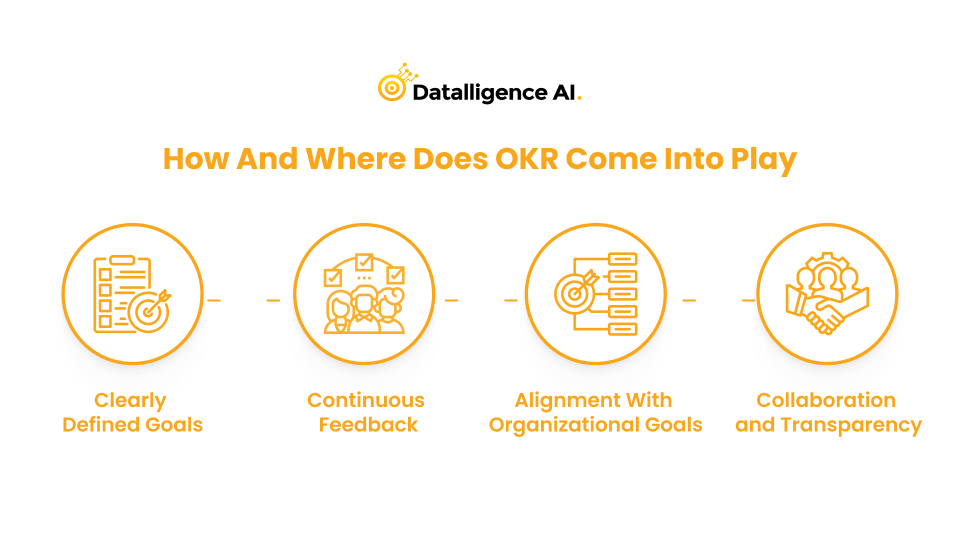
OKR helps in performance management in the following ways:
1. Clearly defined goals:
OKRs help in setting clear and measurable goals for employees. It ensures that everyone in the organization knows what is expected of them and what they need to achieve. This helps in increasing employee engagement and motivation as they have a clear direction to follow.
2. Continuous feedback:
OKRs provide regular feedback to employees on their progress toward achieving their goals. This helps in identifying areas of improvement and providing necessary support to employees. This can also help us identify future roadblocks that may arise.
3. Alignment with organizational goals:
OKRs help in aligning employee goals with the overall goals of the organization. This ensures that every employee is working towards a common goal and contributes to the success of the organization.
4. Collaboration and transparency:
OKRs encourage collaboration and transparency within the organization. Employees are encouraged to share their progress and provide feedback to each other, leading to a culture of continuous improvement.
In conclusion, performance management often fails due to a lack of clear goals, infrequent or ineffective feedback, inefficient employee appraisal processes, and a lack of alignment with company goals. Implementing OKRs can be a solution to these issues as it helps to align individual and team goals with the overall goals of the organization and allows for regular review and revision. Talk to our experts and coaches to gain more insights and grow your business or try Datalligence for “free”.

Performance Management process is a common phrase that is
Goal Setting with OKRs: Understanding OKR Alignment for Maximum ImpactOKRs
Organizations are continuously looking for ways to enhance the efficacy
"What gets measured gets managed." - Peter DruckerThis famous quote
What are OKRs? OKRs, which stands for Objectives and Key
What is KPI KPIs (Key Performance Indicators) are measurements used
The importance of a consistent framework
As employees are the core of any organization, keeping
In the business world, it's important to have goals
We're all about making your project management journey as
We’re all about making your project management journey as smooth as possible. But hey, we get it, one size doesn’t fit all. Different strokes for different folks, right?
Isn’t boosting the productivity of your squad and smashing your goals your priority?
That’s why we’ve put together a nifty list of the hottest ClickUp alternatives out there. We’re talking about breaking down their features and quirks so you can find your project management soulmate. Think of us as your matchmakers for productivity!
So, buckle up, and let’s explore some alternatives to Datalligence.ai. We’re on a mission to find your perfect match!
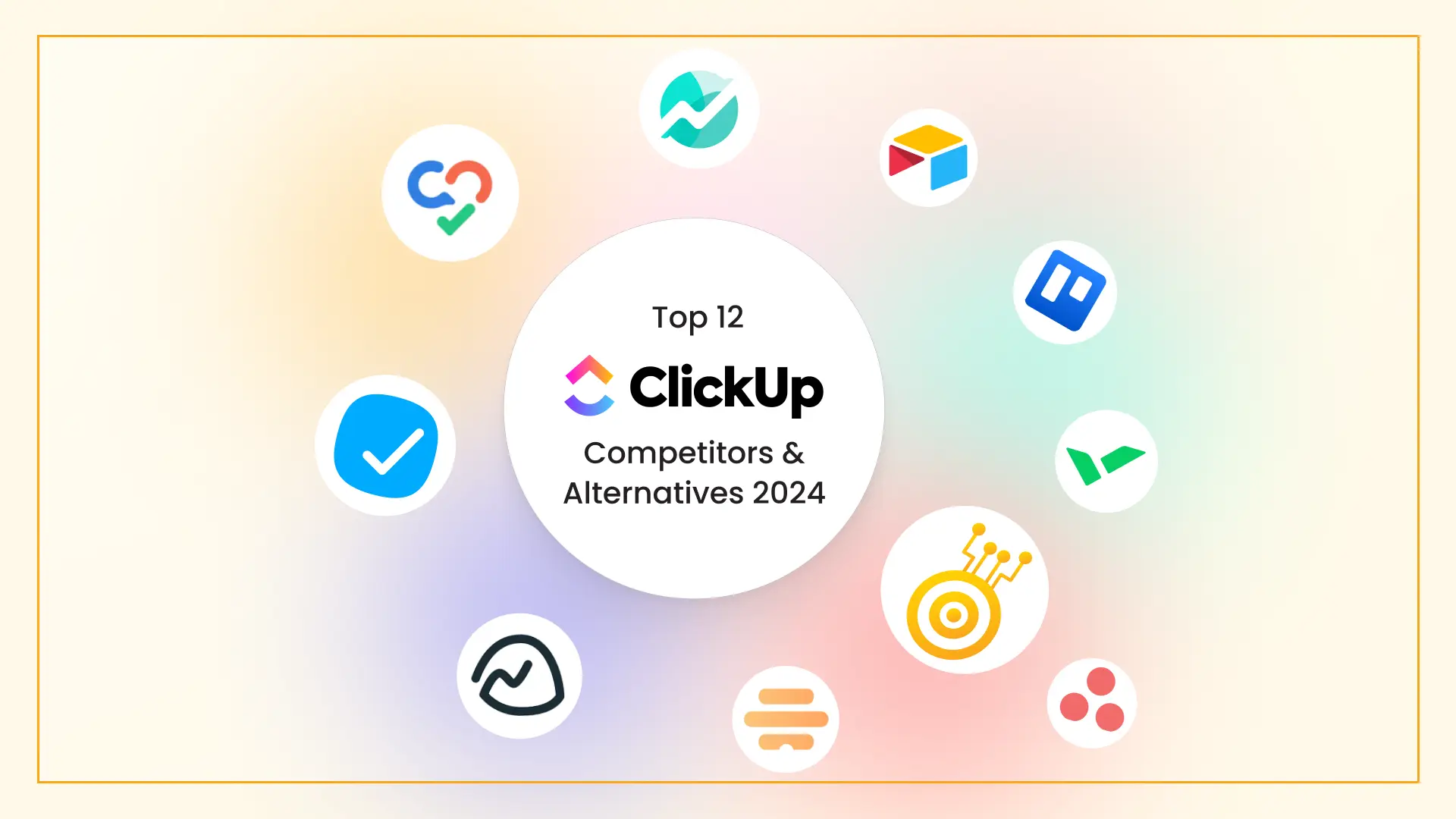
ClickUp has emerged as a popular task management and collaboration tool for organizations across various industries. However, it is not the ultimate solution for every team. Are you seeking an alternative to ClickUp? If yes, then this article is for you. It presents a comprehensive analysis of the top 12 ClickUp alternatives in 2024, including the benefits of using Datalligence.AI over ClickUp.
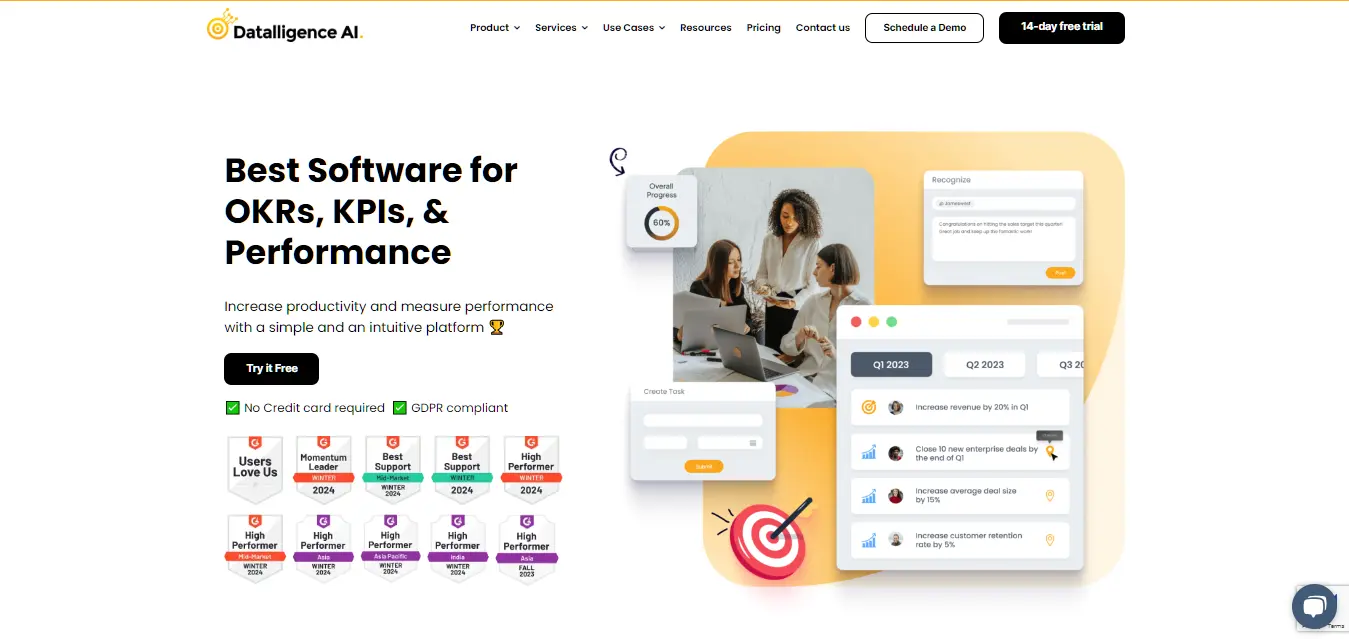
Ever find yourself struggling to keep track of all your goals and objectives at work? We help businesses like yours achieve those goals using a method called OKRs (Objectives and Key Results).
Think of us as your goal-setting assistants. You can easily set up, track, and align your goals across different teams and departments. No more confusion or missed targets!
While other tools might leave you hanging when it comes to advanced project management, Datalligence.AI has got your back.
We’ve built a super robust solution to handle all your project needs, so you can focus on what matters – getting stuff done!
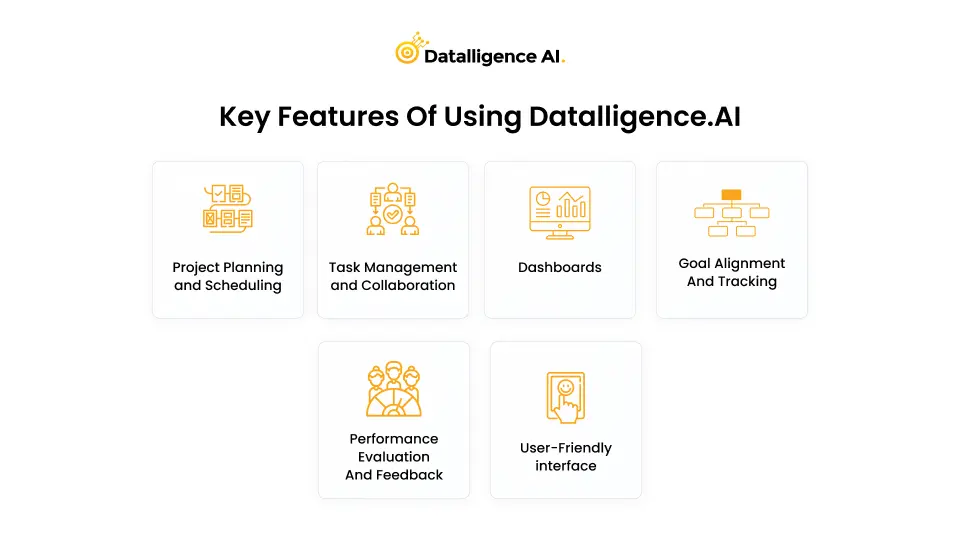
Imagine crafting your project roadmap effortlessly – define tasks, set timelines, and link dependencies.
With us, you’re not just managing tasks, you’re aligning them with your organization’s big goals. Plus, project-based OKRs?
We’ve got you covered, ensuring every task moves you closer to company milestones. 🌟
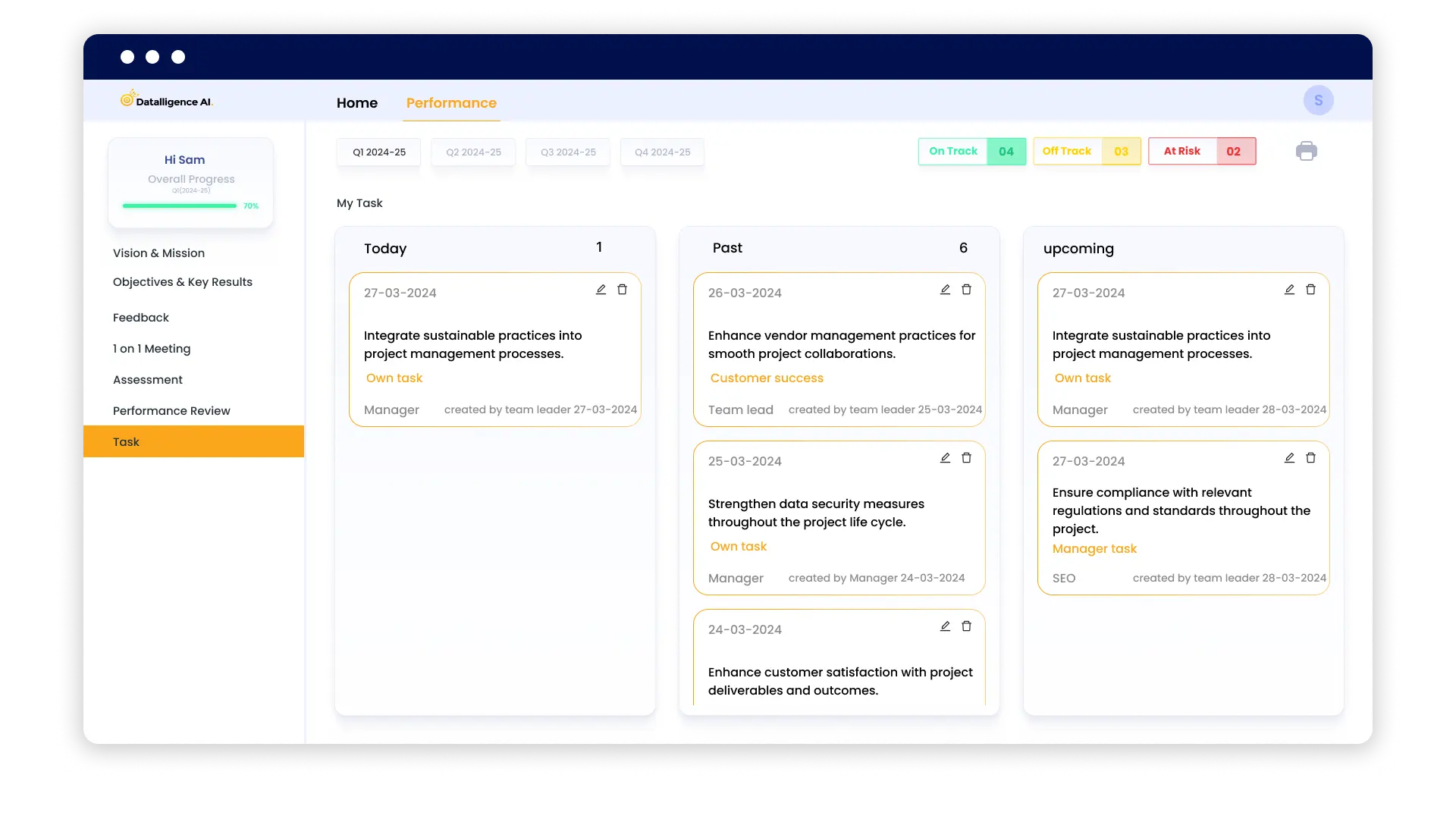
Datalligence.AI provides a collaborative platform that allows teams to manage their tasks efficiently.
It offers real-time updates and enables team members to work together seamlessly, which is a significant advantage over ClickUp.

The platform’s dashboards offer a visual representation of project progress and team performance. This feature, which is often lacking in basic project management tools like ClickUp, allows managers to monitor their team’s progress and make informed decisions effectively.

Datalligence.AI also excels in goal alignment and tracking. It allows teams to set, track, and achieve their goals, fostering a high-performance culture within the organization.

The platform also includes a performance evaluation feature, which allows managers to provide instant feedback and recognize their team’s efforts, thereby boosting morale and productivity.
User-Friendly Interface
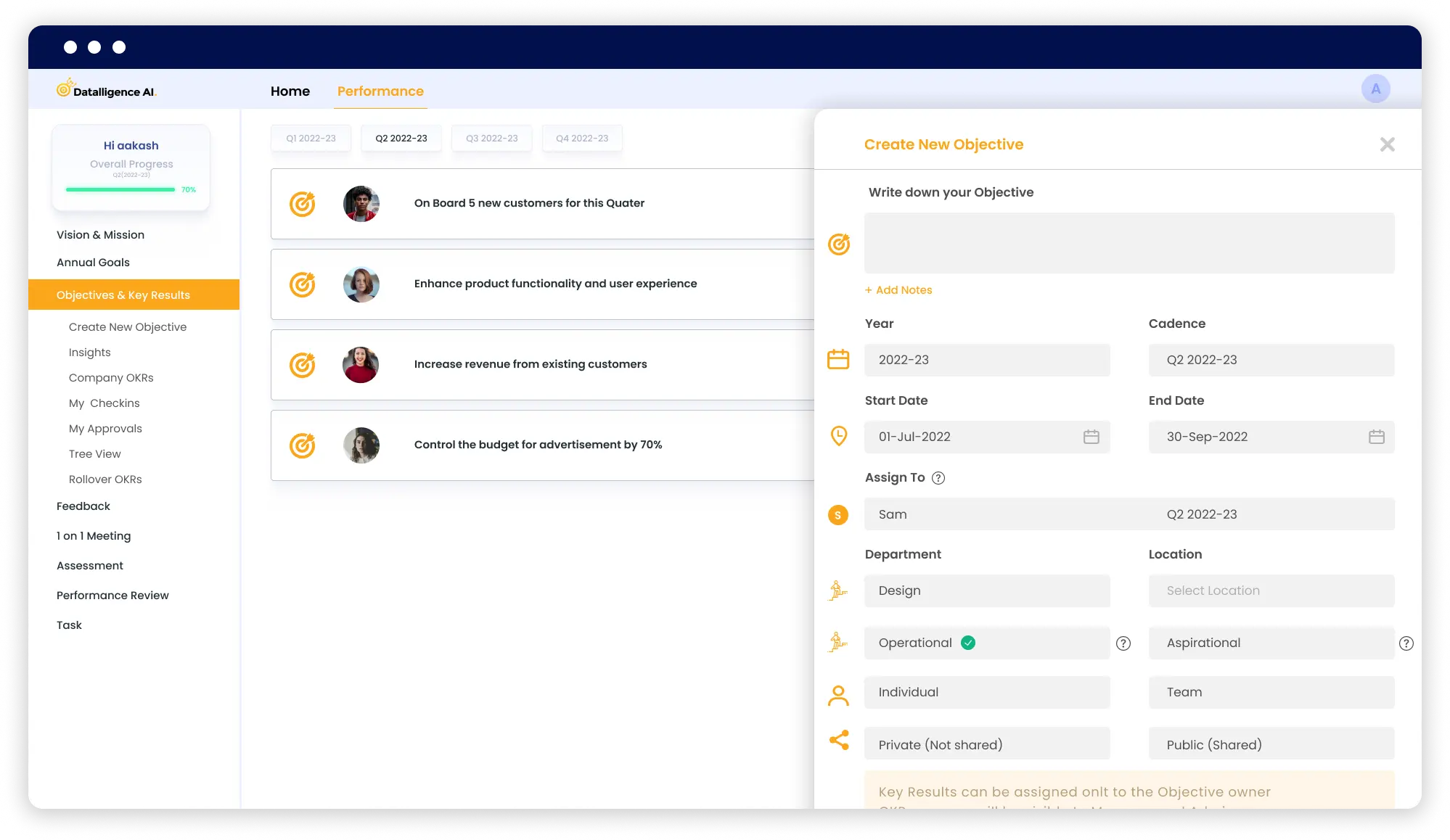
The user-friendly interface of Datalligence.AI ensures a smooth user experience. The platform is easy to navigate and use, making it a preferred choice over more complicated tools like ClickUp.
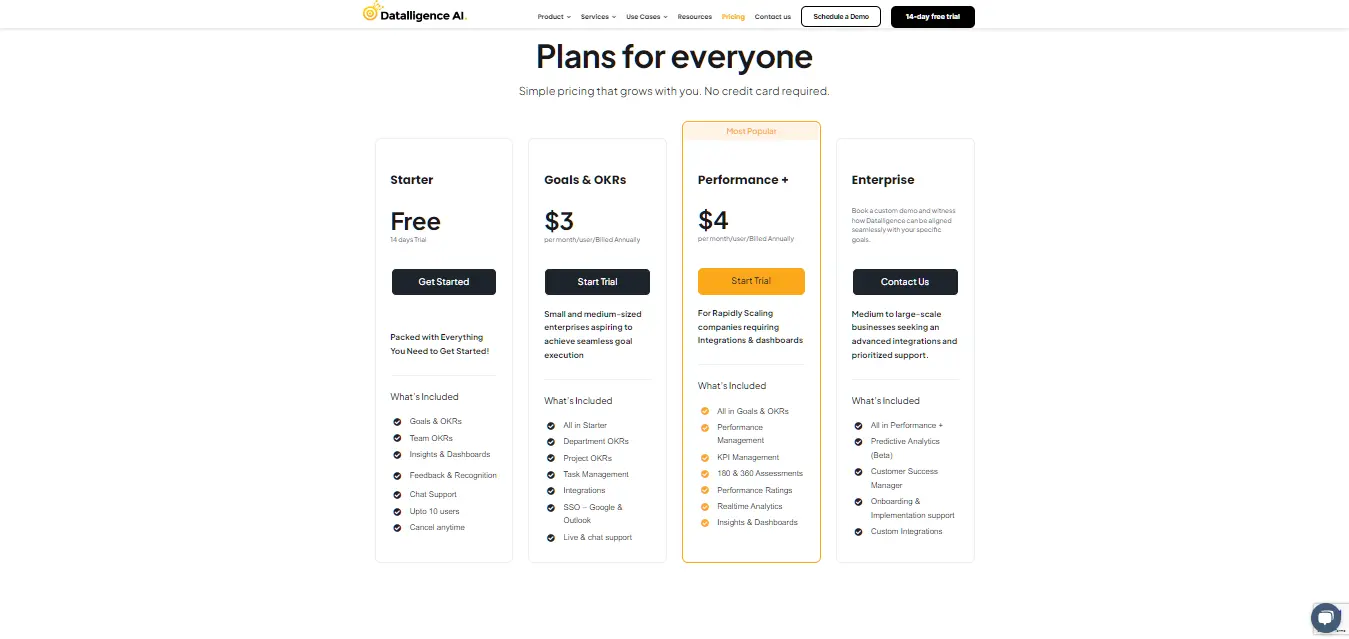

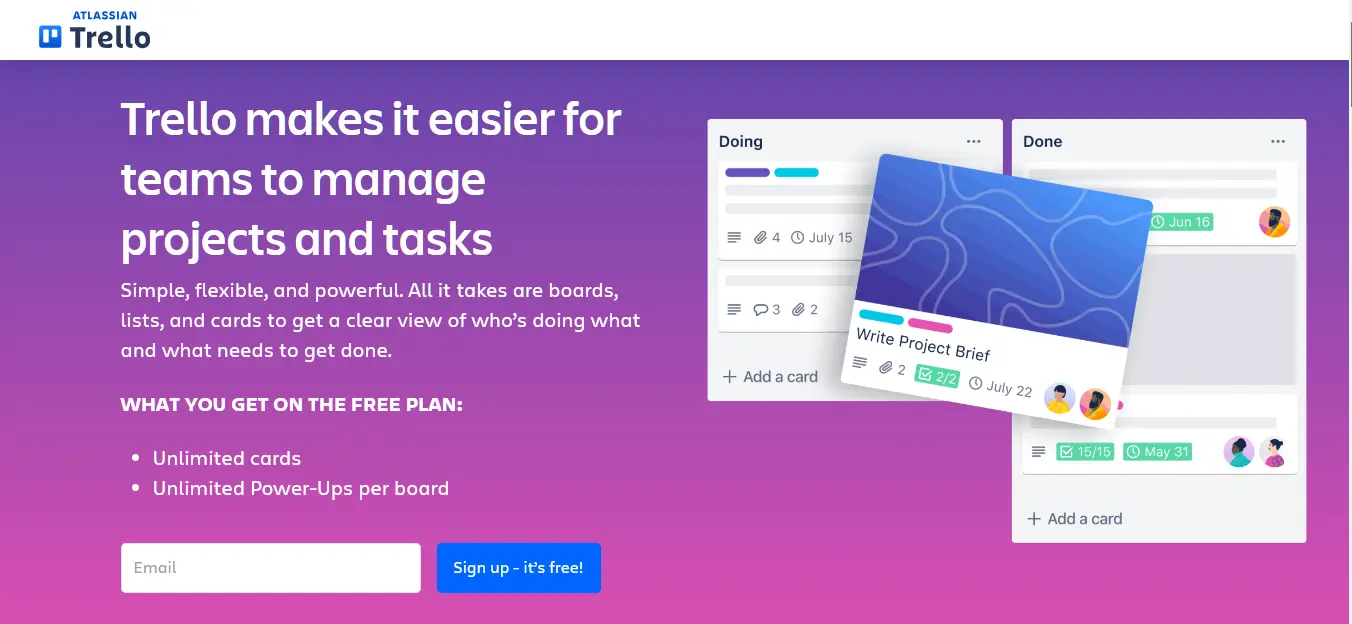
Trello is another ClickUp alternative you can use.
Trello is a web-based project management and collaboration tool that allows individuals and teams to organize tasks and projects on virtual boards. It utilizes the Kanban method, which involves creating lists and moving cards between them to represent the progress of work.
In Trello, you can create boards for different projects or categories and customize them with lists and cards. Lists can represent different stages of a project or categories of tasks, while cards represent individual tasks or items.

Asana is a web and mobile application designed to help teams and individuals manage their work and collaborate more effectively. It provides a platform for organizing tasks, tracking projects, and facilitating communication within teams. Asana allows users to create tasks, assign them to team members, set due dates, add attachments, and leave comments on tasks.
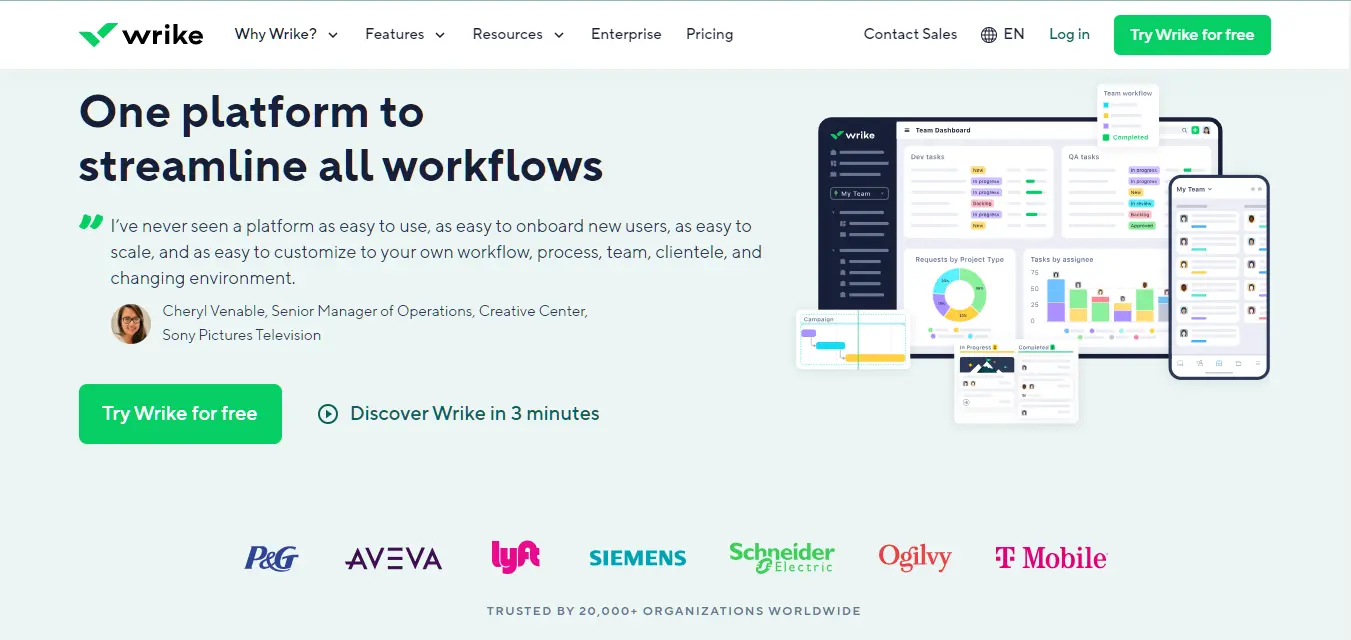
Wrike is a cloud-based project management and collaboration software tool. It provides a platform for teams to collaborate on projects, track progress, and manage tasks. Wrike offers a range of features and functionalities to help teams streamline their workflows and improve productivity. Wrike’s emphasis on collaboration and visibility enables teams to work together seamlessly, regardless of location or time zone. With real-time updates, task assignments, file sharing, and communication features, teams can collaborate effectively and stay aligned on project goals.
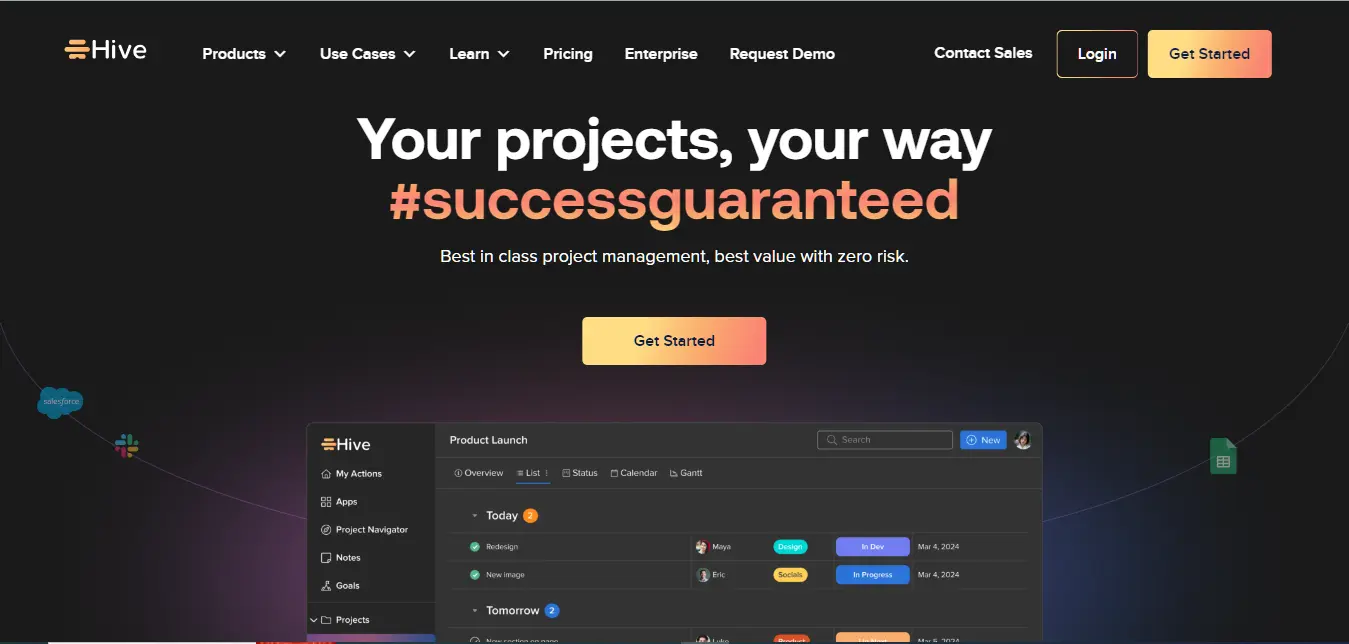
Hive is a web and mobile application designed to help teams organize, track, and manage their work. It is a popular project management tool that enables individuals and teams to collaborate on tasks, projects, and workflows. Hive provides a range of features to streamline work processes, improve communication, and increase productivity.
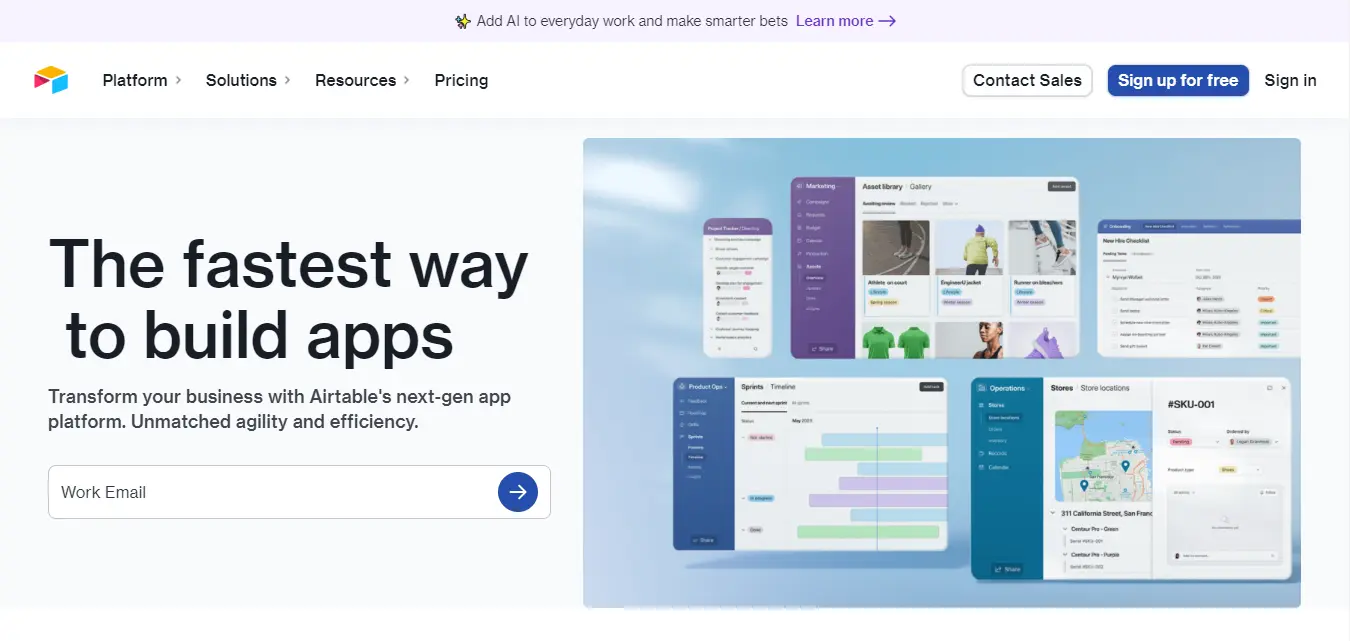
Airtable is a low-code platform for building collaborative apps. It’s a spreadsheet-database hybrid that allows you to customize your workflow, collaborate, and achieve ambitious outcomes. Airtable is used by teams of all sizes for a variety of purposes, including product management, marketing, sales, project management, and customer support. Airtable combines the features of a spreadsheet with the power of a database. This allows you to store data in a structured way and easily create relationships between different pieces of data.

Nifty is an all-in-one project management software that helps teams of all sizes to collaborate, track progress, and deliver projects on time and within budget. Nifty offers a variety of features, including Kanban boards, Gantt charts, discussions, tasks, time tracking, and reports. It is cloud-based software, which means that you can access it from anywhere. t is also a collaborative platform, which means that you can work with your team on the same project from anywhere. Nifty is a secure platform, which means that your data is protected.
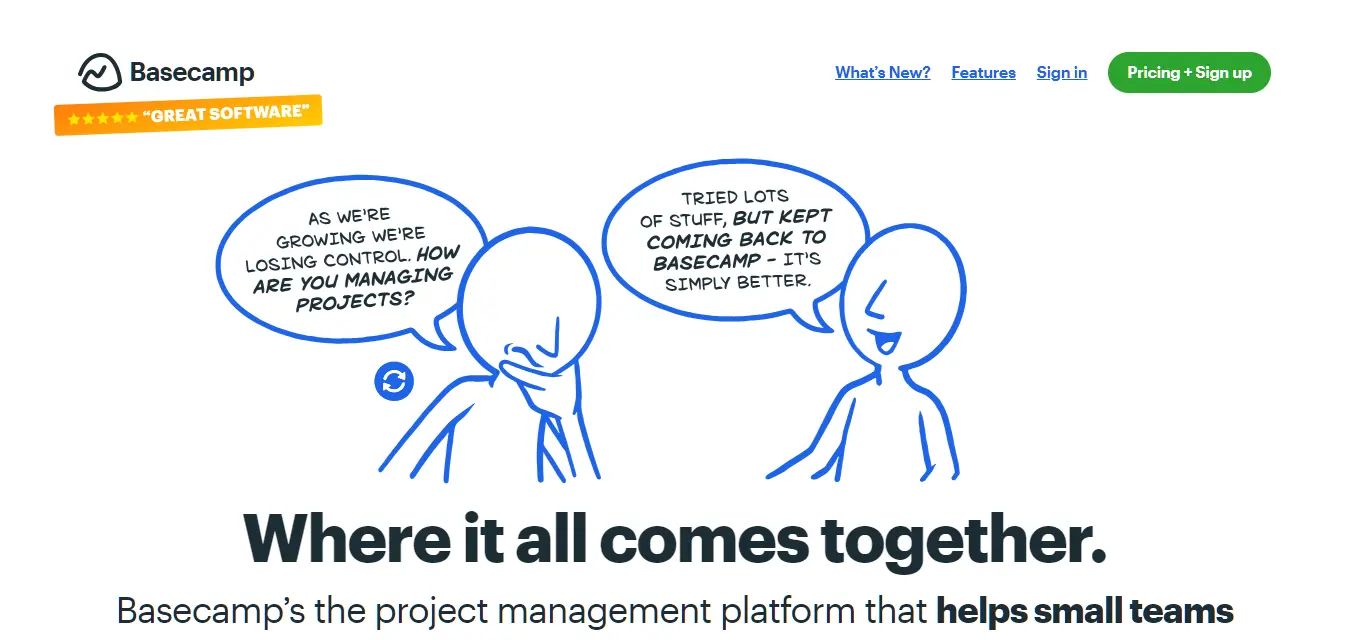
Basecamp is a project management and collaboration software developed by Basecamp, LLC. It provides a centralized platform for teams to organize their work, communicate, and track progress on various projects. Basecamp offers a range of features designed to streamline project management and foster effective collaboration.
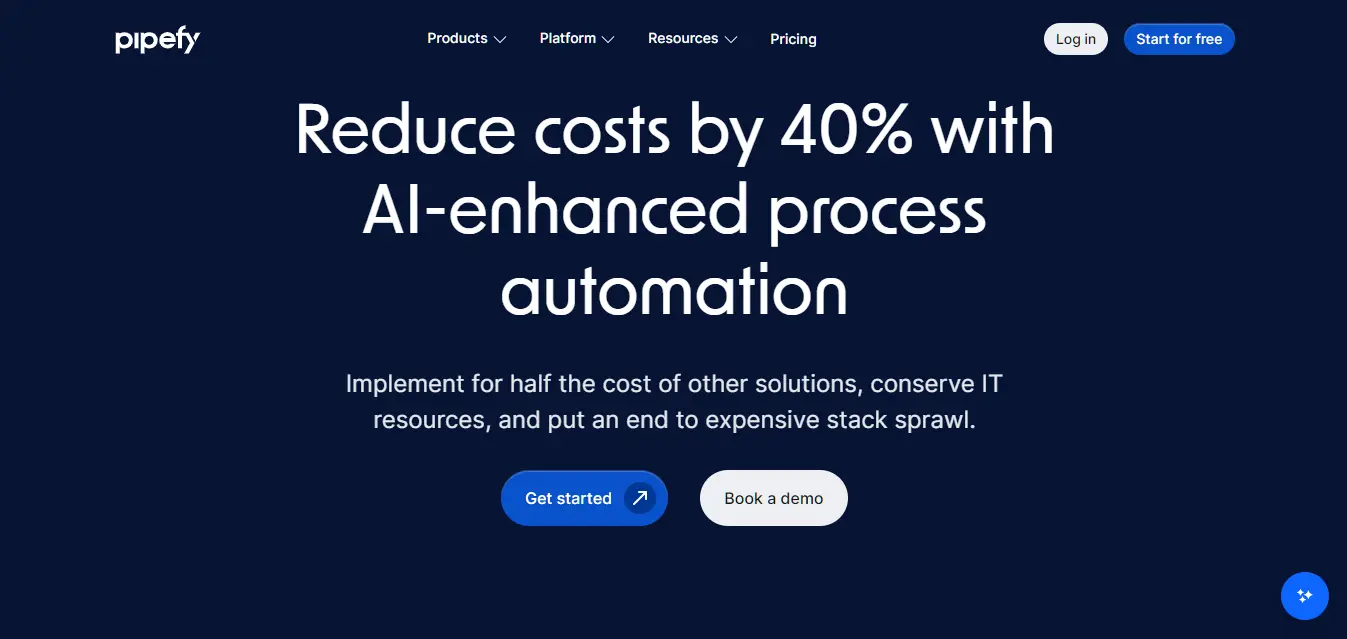
Pipefy is a cloud-based workflow management and process automation platform that helps businesses streamline their operations. It provides a visual interface for designing and executing workflows, allowing teams to collaborate and track progress efficiently. Pipefy offers a wide range of features to enhance productivity and improve the efficiency of business processes.
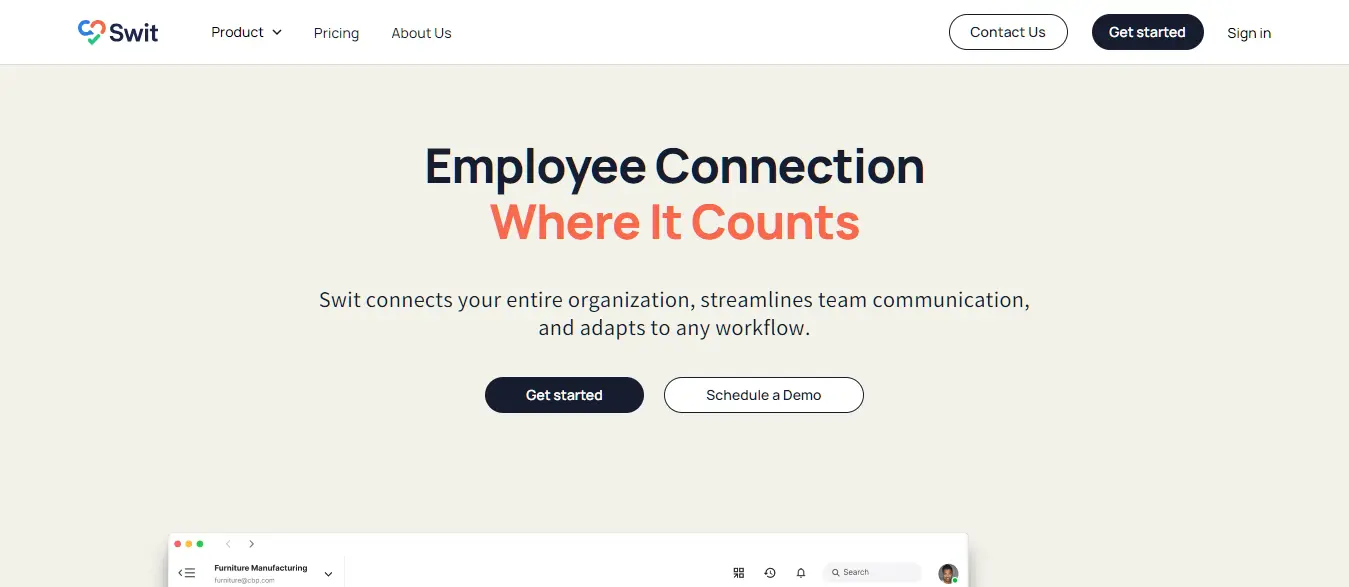
Swit is a team collaboration platform that seamlessly combines task management with chat. It is a cloud-based software that allows teams to stay organized, track progress, and get things done faster. Swit is built on the idea that communication and collaboration are essential for team success. Swit is a powerful tool that can help teams of all sizes to collaborate more effectively and get things done faster. If you are looking for a team collaboration platform that is easy to use, affordable, and offers a variety of features, then Swit is a good option.
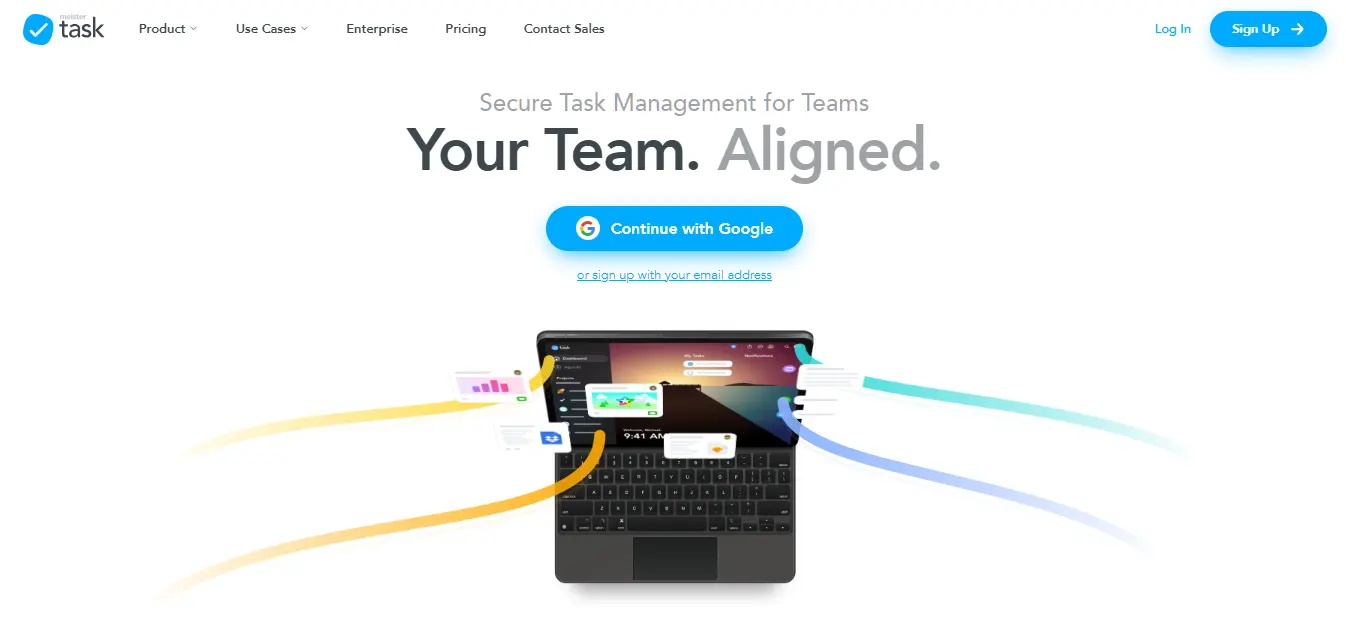
Meistertask is a popular task management and project collaboration tool that helps individuals and teams stay organized, track progress, and work together efficiently. It provides a user-friendly interface and a range of features designed to streamline task management and boost productivity. One of the key features of Meistertask is its flexible and visual board layout, inspired by the Kanban methodology.

Slenke positions itself in the project management landscape with a focus on enhancing team collaboration and project oversight. Unlike some of its competitors, such as Hive, which leverages advanced features like automated time tracking and AI-driven workflows 2, Slenke opts for a more straightforward approach. Here’s a closer look at what Slenke offers and where it might fall short:
However, Slenke is not without its drawbacks:
In summary, while Slenke provides essential features for project management and team collaboration, its limitations in automation, assigned comments, and idea management might prompt users to consider other ClickUp alternatives with more comprehensive capabilities.
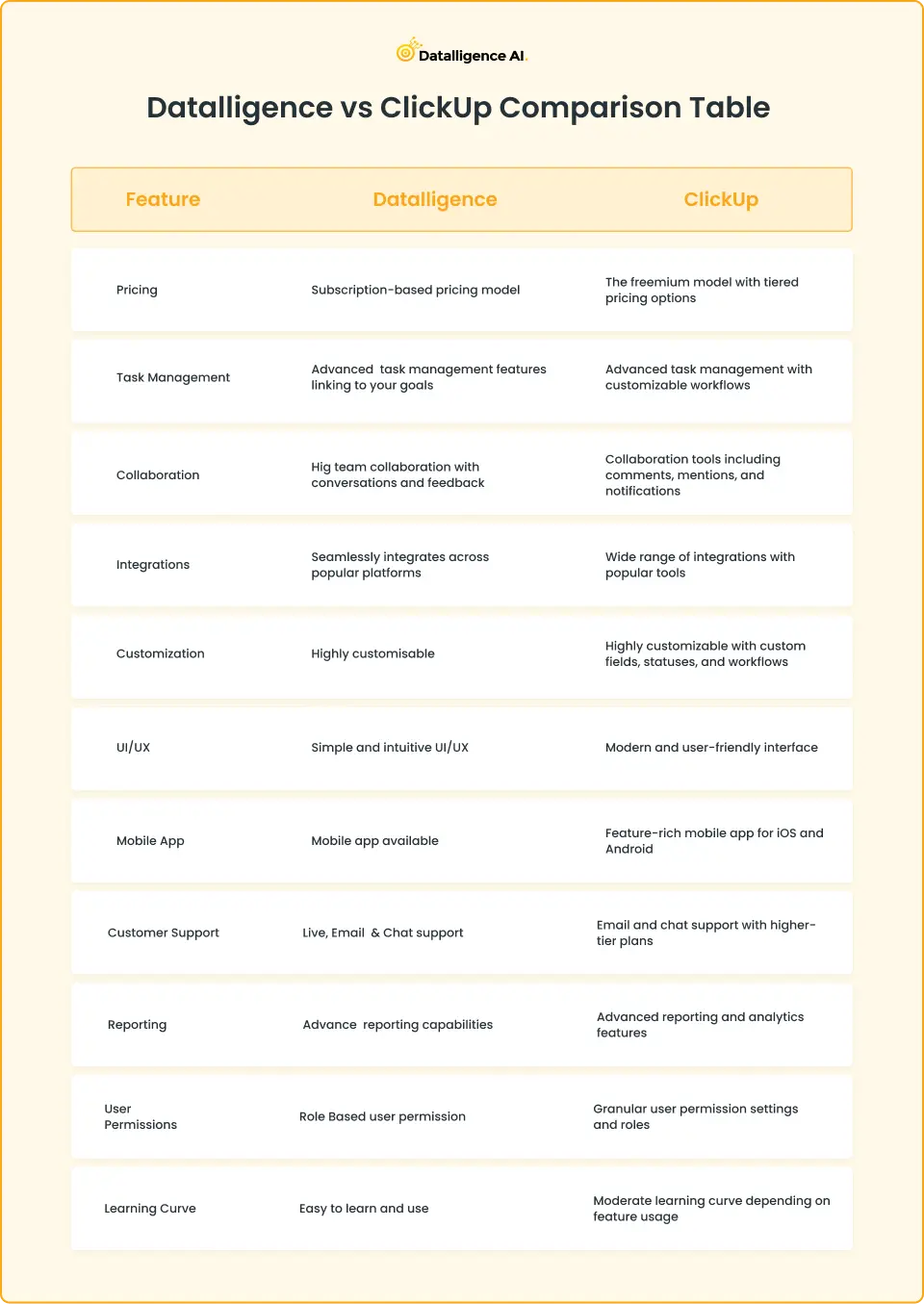
There are several reasons why you might consider replacing ClickUp with an alternative project management tool:
If these issues resonate with you, it may be worth exploring alternative options that offer reliability and user-friendliness. Fortunately, there are numerous ClickUp alternatives available to choose from.
So, you’ve been checking out alternatives to ClickUp, right?
Yeah, there are a bunch of free clickup alternatives out there, but none of them really nail it like Datalligence.ai does.
Think about it: you want killer reporting, smooth teamwork vibes, and automated workflows? Datalligence.ai has got your back, no doubt.
Bottom line? When it comes to understanding what you need and making your life easier, Datalligence.ai is where it’s at. Ready to level up your project management game? Give them a shot!